

 Google Reviews
What homeowners are saying
Real feedback from recent renovation work.
★★★★★5.0/5 · 24 Google reviews
Showing reviews 1–3
Blog
Turnover-ready repairs, punch lists, and photo-ready refreshes for landlords, flippers, and real estate investors. Raleigh & Durham, NC.
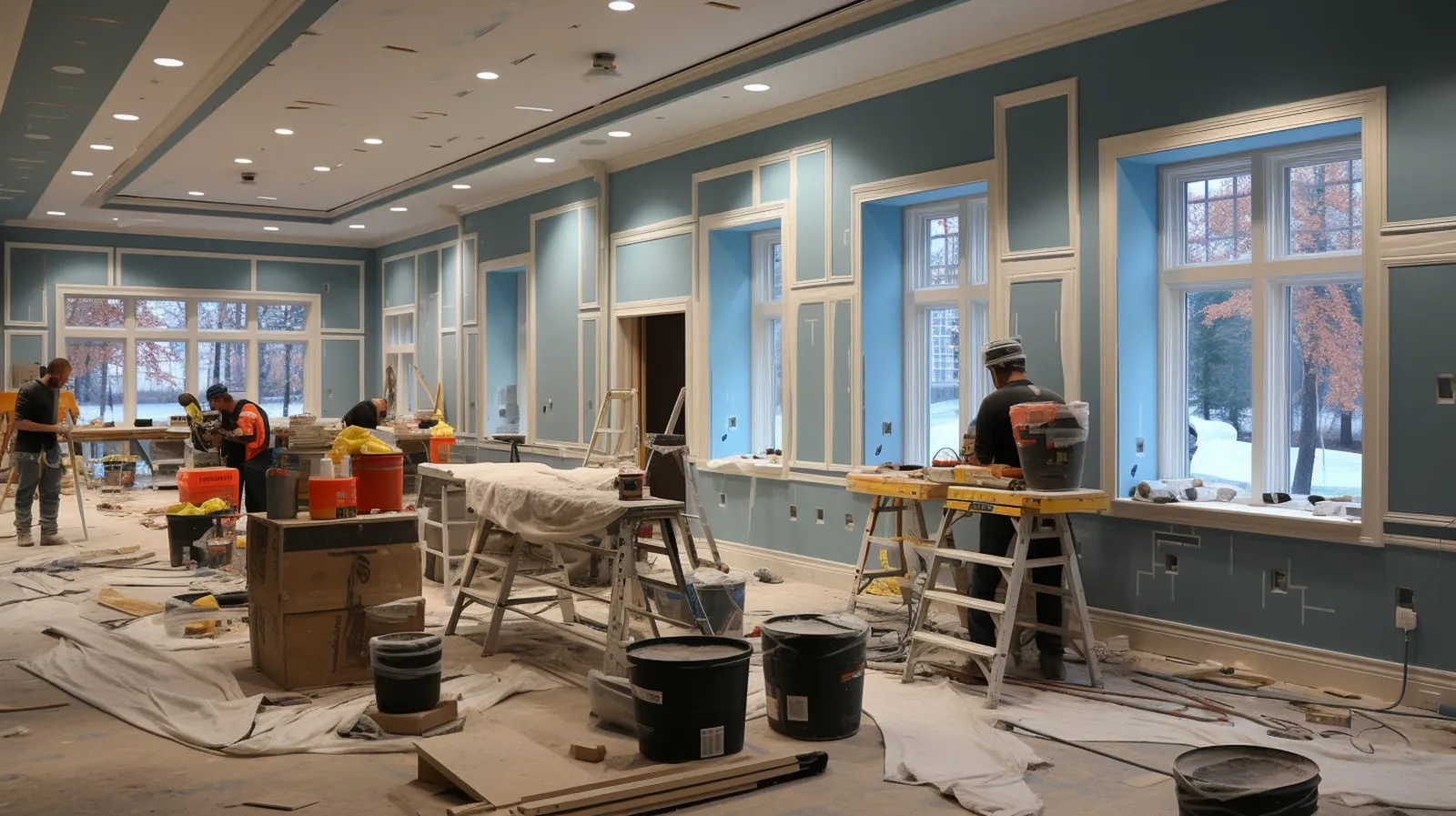
Rental turnovers need to happen fast to minimize vacancy loss. This checklist covers the repairs, cleaning, and updates that get units rent-ready quickly while maximizing ROI on turnover spending.
Standard turnover: 5-7 days Deep turnover (painting, flooring): 10-14 days Major updates (kitchen/bath): 3-4 weeks
Every day vacant = lost rent. Plan the turnover work list for speed + impact.
Walk property with these questions:
Document everything:
Common damage categories:
1. Fresh paint (walls, trim, doors)
2. Deep clean (every surface)
3. Flooring refresh
4. Kitchen and bath caulk/grout
5. Light fixtures and switches
6. Cabinet hardware
7. Front door and entry
8. Landscaping/curb appeal
9. Appliances
10. Odor removal
Kitchen:
Bathrooms:
Bedrooms:
Living Areas:
Exterior:
Systems and Safety:
When to paint:
Paint colors for rentals:
Sheen strategy:
Carpet:
LVP (Luxury Vinyl Plank):
Tile:
Hardwood:
Keep and clean if:
Replace if:
Budget appliance sources:
Door hardware:
Switch plates and outlets:
Closet rods:
Caulk and grout:
Light turnover (paint, clean, minor fixes):
Standard turnover (paint, flooring, fixtures):
Heavy turnover (major repairs, updates):
ROI consideration:
Upgrade if:
Just maintain if:
Efficient turnover requires:
Schedule overlap when possible:
Take photos after turnover:
Listing description highlights:
Lease clauses:
Regular inspections:
Quality tenant screening:
Quick response to maintenance:
Rental turnovers are a race between speed and quality. Focus on high-impact fixes (paint, flooring, deep clean), address all functional issues, and make units photo-ready. Budget smartly, coordinate vendors efficiently, and get units back on market fast. Every day vacant is money lost—plan turnover like the business decision it is.
Tell us what you want to change and we will map out the work, price range, and next step.
Real feedback from recent renovation work.
William was an absolute pleasure to work with. He has great attention to detail and does very professional and clean work! He shows up on time and keeps his job site clean and organized. Can’t recommend him enough!
Rony Nasrallah • 2026-09-02
Kozub Remoldes LLC I highly recommend William Kozub. He spackled the sheet rock in a new bathroom and painted .He fixed 3 ceilings where drywall tape was separated and painted them. He was meticulous in his work and did a great job. He arrived on time each day and covered all the furniture and rugs before beginning work on a room. He covered each room with plastic and also the doorway so that dust didn’t escape. He cleaned up when he finished each room. He was concerned that I was satisfied and worked to make the job look great.
Alexis Maxwell • 2026-08-28
Very timely and great work for a good price. Also very clean work with great customer service. Highly recommend their work.
Гулноз Маллаева • 2026-08-27
Did a big 3500 sq ft house for me, bathroom, kitchen, hallway, and also painted outside front side of the house. Great work if I need anything else I will contact this company again.
Alyona Bondarenko • 2026-08-22
He did an amazing job. My new LVP looks wonderful!
A Andrews • 2026-07-15
Rating only. No written comment.
Mr_Roma _Voloshun • 2026-06-15
I highly recommend this contractor! They did an outstanding job remodeling my kitchen and bathroom, installing flooring and tile, and completing many other projects around my home. The quality of their work is excellent, and they pay close attention to every detail. They were professional, reliable, and easy to work with throughout the entire process. The project was completed on time, and the results exceeded my expectations. If you're looking for a contractor who takes pride in their craftsmanship and delivers high-quality work, I would definitely recommend them. Thank you for the fantastic job!
Vladimir Mishin • 2026-06-10
They came out and gave me a qoute fast and work was done quickly as well!
Jonathen Smith • 2026-06-09
very professional installation of subway tile on 2 bathroom floors. rapid response, speedy work but not sloppy. 100% happy with the job. patient and easy to work with.
Greg Burkett • 2026-06-05
William did a wonderful job painting our living room builtins. He was punctual and precise. The paint job is excellent and you would not know he was here when he left. We would definitely recommend!
Tonia Anderson • 2026-05-28
William is great! He did a very high quality job installing LVP floors throughout the first floor of my house in only one day at reasonable cost and I couldn’t be happier. He’s very diligent, respectful and showed up on time - very professional and easy to work with. I highly recommend his services! Thank you William!
Konstantin Shukhmin • 2026-05-21
William did an amazing job by doing a hardwood installation at our house was professional and he always keep our house clean and the results are amazing highly recommend his company to everyone
Alex Symkanych • 2026-05-20
William did an amazing job Very professional hardworking and the quality of the work was great.Everything turned out exactly how I wanted, and I would definitely recommend him to others.
samuel sharkadi • 2026-05-19
Super happy with how everything turned out. They did kitchen remodeling in my house and I am really satisfied, so the team was easy to work with, showed up on time, and did a really great job. Would definitely recommend!
Vlad Morzhul • 2026-05-18
I’m very satisfied with job of this company, he did bathroom remodel in my house, very high quality, and quickly, and everything around was clean and protected from dust, which I really liked. Communication was also at the highest level Thank you William so much for your efforts
Yevhen Smirnov • 2026-05-15
Great company, hardworking crew, and most of all Reliable and Professional.
Andrey Bondarenko • 2026-05-14
I want to thank this construction company for the excellent work! Everything was done with high quality, neatly, and within the promised timeframe. The team was very professional, always stayed in touch, and answered all our questions. You can tell they really know what they’re doing and take their work seriously. After the project was completed, everything was left clean and organized. I’m very happy with the result and can definitely recommend this company to others!
Рувім • 2026-05-13
Great work from a great young man he instilled my LVP flooring and painted the inside of my house
Roman Myname • 2026-05-10
“Great contractor, easy to work with and very professional. The work turned out amazing and everything was done on time. Highly recommend!”
Владік Лизанец • 2026-05-08
Excellent work and great experience overall! William was reliable, hardworking, and very skilled. Everything was completed neatly and with care, and the quality truly exceeded my expectations. I’m very grateful for the beautiful result and would happily recommend him to others.
Alex S. • 2026-05-07
I’m very happy with the work! He was professional, responsible, and paid attention to every detail. The renovation was done carefully and on time, and the final result looks great. I would definitely recommend
Julia Zhukova • 2026-05-07
Best company I’ve ever worked with. The quality of work is the best I’ve ever seen. On top of that William is a very good person to work with and be around. He always treats his clients with respect and is a joy to be around.I highly recommend kozub remodels if you need any remodeling work done in your house
Timofey Sharkadi • 2026-05-07
We wanted to add an additional room to a part of our house. William did a great job making what was essentially an attic into a room we could use. Highly recommend Kozub Remodels for any of your remodeling needs!
Miroslav Rad • 2026-05-05